Why Bringing in a Residential Electrician Is Necessary for Home Wellbeing!
Bringing in a residential electrician is vital for ensuring home security measures. Many homeowners ignore the difficulties of electrical systems. DIY tries can spark serious hazards, such as electrical fires or shocks. Licensed electrical specialists offer fundamental proficiency, assuring adherence to local codes and safety standards. The consequences of neglecting sound electrical installation can be catastrophic. Comprehending the significance of professional guidance can make a substantial variance in home safety. What specific advantages can these specialists present?
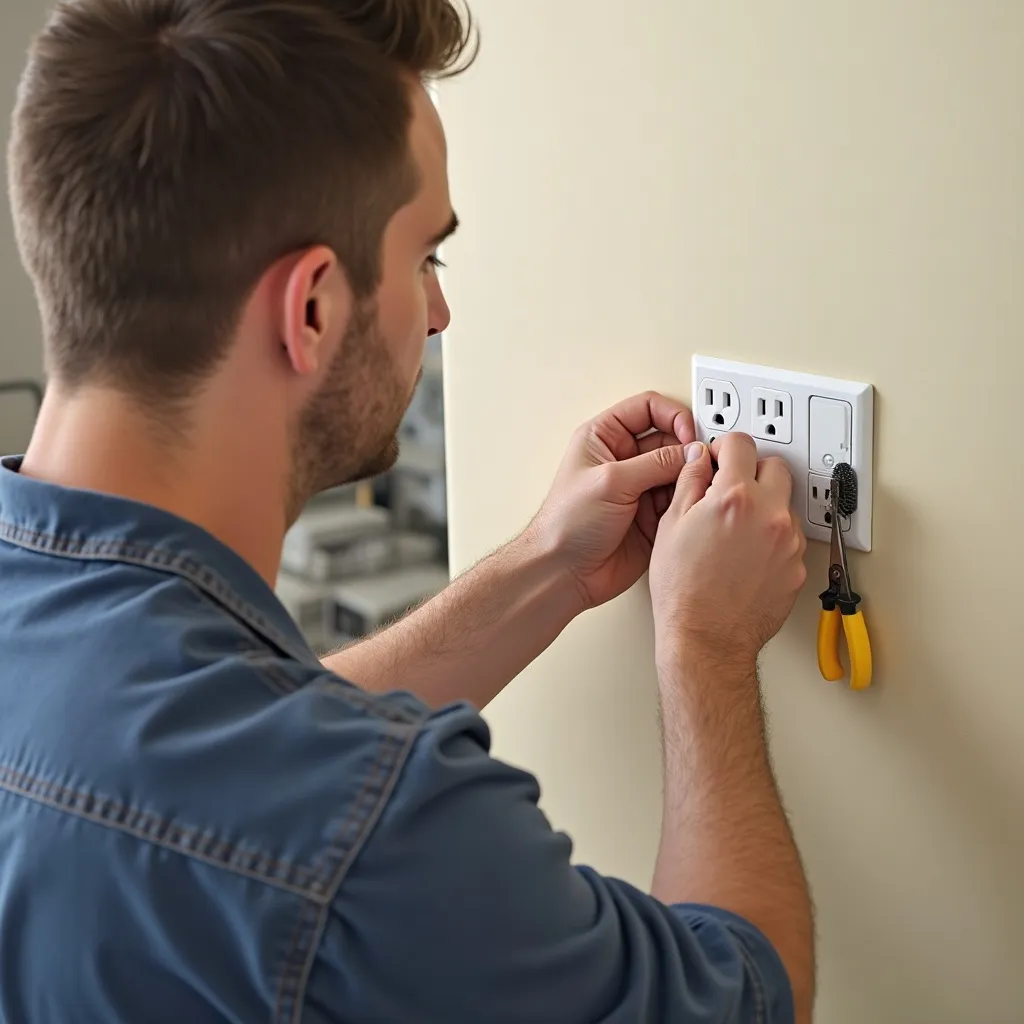
Comprehending the Perils of Do-It-Yourself Electrical Work
Taking on DIY electrical work might look attractive for house owners wanting to save money, however it involves substantial risks. Many individuals underestimate the intricacy of power systems, often producing improper repairs or installations. This lack of professional knowledge may cause power failures, fires, or electrocutions, threatening both the homeowner and their property.
Moreover, DIY tasks may not conform to local building codes, potentially causing legal complications or costly fines.
Furthermore, lacking the right gear and protective devices, homeowners may put themselves in dangerous conditions. Even apparently straightforward jobs, such as installing a new light fixture, can have unexpected issues if not performed properly.
The possibility of sustained harm to the home's wiring infrastructure is also a worry.
The Know-how That Keeps Your Home Protected
Regarding ensuring home security, a residential electrician's knowledge is vital.
They perform detailed safety examinations, guaranteeing all systems are working properly and comply with regulatory standards.
In addition, their awareness of code compliance and proficient fixing proficiency prevent potential hazards before they materialize as serious issues.
Comprehensive Safety Inspections
A comprehensive safety examination conducted by a qualified residential electrician is essential for preserving a secure home environment. During this procedure, electricians assess wiring, receptacles, and electrical panels to detect potential hazards.
They inspect for obsolete parts that may pose fire risks or cause electrical failures. Additionally, they evaluate the grounding and bonding systems to guarantee they meet safety standards.
By recognizing problems such as overloaded circuits or faulty wiring, electricians supply homeowners with actionable insights to mitigate risks. These inspections not only enhance safety but also promote energy efficiency, potentially reducing utility bills.
Ultimately, regular safety inspections safeguard both the home and its residents, assuring a dependable electrical setup that operates effectively.
Code Standards Assurance
Code compliance assurance acts as an important factor in guaranteeing the safety and reliability of residential electrical systems.
Professional electricians are well-versed in local, state, and national electrical codes, which are developed to protect homeowners from possible dangers. These codes cover various aspects, such as wiring methods, circuit protection, and grounding techniques, all critical for safe operation.
By complying with these regulations, electricians minimize the threat of fire hazards, electrical shock, and system malfunction. Furthermore, adherence to code is frequently a mandate for homeowner's insurance and can impact property value.
Homeowners who hire a licensed electrician ensure that their electrical systems meet necessary standards, delivering peace of mind and a more secure home.
Professional Debugging Competencies
Electrical systems may face challenges despite adhering to safety codes. When issues arise, expert troubleshooting skills become necessary.
Residential electricians develop specialized training and experience that enable them to identify problems efficiently, often before escalation into serious dangers. Their ability to analyze complex wiring systems and diagnose issues guarantees that homeowners are not uninformed—literally and figuratively.
These qualified professionals apply sophisticated tools and techniques to find electrical problems, whether it's a flickering light or a tripped breaker. By resolving these matters right away, they not only restore normal function but also strengthen the overall protection of the home.
Ultimately, depending on a professional electrician for problem diagnosis is a proactive step toward safeguarding both residents and property.
Determining the Right Home Electrical Expert
Picking the best home electrician calls for close examination of various essential elements.
Residential owners should validate qualifications and certifications to confirm regulatory conformity with local regulations.
Furthermore, evaluate the electrician's experience and expertise, and ask for comprehensive quotations for clarity.
These steps help in making an informed decision that prioritizes quality and safety.
Validate Credentials And Certifications
Prior to hiring a residential electrician, it is essential to confirm their credentials and licenses to guarantee compliance with local regulations and industry standards. This step ensures that the electrician has undergone the necessary training and has the knowledge required for secure and effective electrical work.
Ensuring correct permits protects homeowners from potential liabilities and confirms that the electrician observes safety protocols. Additionally, checking qualifications can help find professionals who stay abreast of the latest industry practices and technologies.
Property owners should request proof of insurance and check that the electrician holds any necessary credentials. Taking these precautions not only enhances safety but also establishes confidence in the quality and reliability of the electrical services provided.
Analyze History And Capability
Assessing the background and skills of a residential electrician is essential for guaranteeing superior quality work. A seasoned electrician typically brings a wealth of knowledge gained through years of practical work. This foundation enables them to handle various electrical systems and resolve problems effectively.
Prospective clients ought to ask regarding the electrician's specific areas of expertise, such as residential wiring, lighting installations, or electrical repairs. Moreover, learning about the types of projects they have completed in the past can give information about their capabilities.
Testimonials and reviews from previous clients can also function as valuable resources in assessing service quality and dependability. By carefully examining an electrician's experience and expertise, homeowners can make informed decisions that emphasize safety and effectiveness.
Receive Detailed Estimates
In what ways can property owners ensure they get competitive rates and quality service when hiring a home electrical contractor? One effective strategy involves requesting detailed estimates from several electrical professionals.
This method not only aids in comparing costs but also offers understanding of the scope of work involved. Homeowners should confirm that estimates contain labor, materials, and any additional fees. A transparent estimate reflects the electrician's professionalism and willingness to communicate.
Additionally, it allows homeowners to raise concerns regarding any vague charges, promoting a deeper grasp of the project. By getting multiple estimates, homeowners can make well-informed decisions, thereby guaranteeing they contract with a experienced residential electrician who fulfills their needs while maintaining safety standards.
Leading Electrical Concerns Most Effectively Dealt With by Professionals
When electrical problems arise in a home, it's crucial to identify which problems require professional expertise. Typical electrical issues that should be left to licensed electricians include frequent circuit breaker trips, which may suggest overloads or faulty wiring.
Flickering lights often suggest major concerns, like defective connections or aged wiring systems. Additionally, outlets that feel hot or emit a burning smell represent major fire risks and need urgent examination.
An additional worry is the installation of new electrical fixtures or systems, which often necessitates following local codes and safety standards. Homeowners should also seek expert help for any electrical projects involving the main service panel, as mistakes in this area can lead to risky circumstances.
Why Standards Compliance Is Necessary for Safety
Ensuring that electrical installations complies with code compliance plays a crucial role in preserving safety within home environments. Electrical codes are created to reduce hazards such as fires, electrocution, and property damage. These regulations are formulated based on extensive studies and industry standards, reflecting the latest safety measures.
When homeowners hire a residential electrician, they benefit from the professional's expertise in managing these codes, ensuring all installations and repairs are compliant.
Non-compliance can lead to hazardous conditions, including defective electrical systems and inadequate grounding, which may not only create hazards to inhabitants but also affect policy protection. Additionally, properties that do not meet code standards can incur fines or complications during real estate transactions.
Ultimately, adhering to electrical codes is essential for protecting lives and property, highlighting the importance of engaging qualified electricians for all electrical work.
Enjoy Sustained Savings by Using Professional Installations
Investing in competent electrical services can yield noteworthy prolonged savings for house owners. Skilled electricians pledge that all wiring and systems are installed correctly, reducing the likelihood of costly repairs and replacements check this resource due to inadequate installation. By adhering to safety codes and utilizing premium components, professionals curtail the hazard of dangerous electrical conditions, which can lead to substantial harm or even fire.
Also, energy-efficient installations can bring down utility bills over time. For instance, transitioning to energy-saving lighting and equipment can deliver substantial savings on electricity costs. Additionally, professional electricians can offer advice on streamlining electrical operations for better efficiency.
Ultimately, although the early expense of retaining a qualified electrician may seem costlier than a DIY method, the long-term rewards—like reduced maintenance charges and cheaper energy bills—substantially outweigh the upfront investment.
Homeowners can safeguard their finances and their homes by prioritizing expert electrical services.
The Peace of Mind That Results From Expert Solutions
Peace of mind typically accompanies the choice to hire a professional electrician. Homeowners can feel at ease knowing that their electrical systems are in the hands of qualified professionals who recognize the complexities of wiring, circuits, and safety regulations.
Professional electricians have the required qualifications and expertise to identify possible dangers, ensuring that installations and repairs comply with safety standards.
In addition, hiring a qualified lowers the potential of electrical failures that could trigger dangerous situations such as fires or electric injury. The assurance that a skilled expert has handled the project enables homeowners to devote attention to their daily lives without worrying about concealed risks.
In addition, many professional electricians provide warranties for their work performed, further strengthening the sense of security.
Ultimately, trusting a qualified electrician not only protects the home but also promotes a stress-free environment, enabling families to thrive without the burden of unresolved electrical issues.
Often Posed Questions
What Techniques Can I Use to Identify a Qualified Residential Electrician?
To locate a experienced residential electrician, one should confirm proper licensing, coverage, and credentials. Additionally, examining internet reviews and gathering referrals from acquaintances can help confirm the electrician's credibility and competence.
How Can I Recognize the Red Flags of Electrical Troubles in My Home?
Signs of wiring issues consist of flickering lights, circuit breakers that trip, outlets that feel warm, smells of burning, and discolored switches. Strange sounds from outlets or appliances may also suggest possible problems requiring immediate attention from a licensed electrician.
How Frequently Should I Have My Electrical System Inspected?
Property owners should have their electrical systems inspected every three to five years. Routine inspections help spot possible concerns early, providing safety and efficiency while lowering dangers associated with aging or broken electrical components in the home.
Can I Handle Minor Electrical Work on My Own?
While small electrical fixes may seem manageable, it's typically recommended to consult a professional. Inadequate knowledge can lead to dangerous conditions, potential code violations, or costly damage, highlighting the necessity for expert assistance for electrical tasks.
What Can I Perform in Scenario of an Electric Critical Issue?
During an electrical incident, it is important to quickly shut off the power at the circuit breaker, avoid contact with live wires, and reach out to a qualified electrician for aid. Safety should always be the top priority.